Let’s be straight: your driveway won’t collapse tomorrow if you never seal it. Asphalt is tough stuff, and plenty of driveways survive years of neglect. But “survive” and “thrive” are different things — and in Ontario, skipping sealer sets off a slow, predictable, expensive chain reaction. No scare tactics here; just the honest progression, so you can decide with open eyes.
Years 1–3: The Slow Fade
Nothing dramatic happens at first — which is exactly why sealing is easy to postpone. The deep black fades to grey as UV and oxygen break down the bitumen binder (here’s the chemistry). The surface gets slightly more porous. Water that used to bead starts soaking in. It still looks like a driveway and works like a driveway. This is the stage where sealing is pure prevention — cheap, easy, and maximally effective.
Years 3–5: Water Finds a Way In
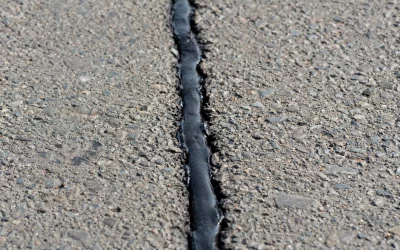
This is where the bill starts accumulating. Without the waterproof barrier, every rainstorm pushes water into the asphalt’s pores. Hairline cracks appear — first along edges and high-stress areas, then spreading. In Ontario, each crack is a future problem: water seeps in, winter freezes it, ice expands, and the crack widens. One freeze-thaw cycle does a little damage; a GTA winter delivers dozens of them.
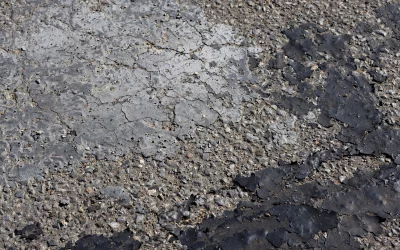
You’ll also notice the surface getting rougher as the binder degrades and fine aggregate loosens — the industry term is raveling. It’s gradual, easy to ignore, and steadily making everything worse underneath.
Years 5–8+: The Expensive Part
Small cracks become big cracks. Big cracks interconnect into the web pattern called alligator cracking — the signature of a failing surface. Water now reaches the gravel base underneath, softening and eroding it. Soft spots develop. Edges crumble. Potholes appear where the base has washed out.
Here’s the critical threshold: once the base is compromised, sealing can’t fix it. You’re past maintenance and into repair — patching, resurfacing, or in the worst cases, full replacement. The driveway that needed a $300 seal in year three now needs thousands in structural work. Our sealing vs. resurfacing guide walks through how to tell which side of that line you’re on.
Lifespan: With Sealing vs. Without
A well-built asphalt driveway that’s sealed every 2–3 years and gets its cracks filled can commonly last 20+ years — some reach 25–30 with diligent care. The asphalt itself is durable; it just needs its protective skin renewed.
Skip the maintenance and the timeline compresses hard. An unsealed Ontario driveway is doing well to reach 12–15 years before needing major structural work — and many need resurfacing sooner, especially with heavy salt exposure or poor drainage. You’re not just losing years; you’re converting a cheap maintenance cycle into an expensive capital project.
To be fair: some driveways beat the odds — sheltered, low-traffic, great drainage, mild salt exposure. But “my neighbour never sealed and his driveway is fine” is survivorship bias. For every one of those, there are several driveways quietly crumbling at year ten.
The Honest Math
Let’s put numbers on the trade-off, using typical GTA pricing:
- Maintained: a professional seal every 2–3 years at roughly $250–$400 for a double-car driveway — around $1,500–$2,500 over 15 years, plus occasional crack filling.
- Unmaintained: $0 for years — then a resurfacing bill in the thousands, or a full replacement in the five figures, arriving years earlier than necessary.
Sealing isn’t magic; it’s just the cheapest way to buy driveway years. Every $300 seal that delays a $3,000 resurface by even a couple of years pays for itself several times over.
No, It Won’t Collapse Tomorrow
Perspective matters: skipping sealer for a year or two isn’t an emergency. A sound driveway tolerates a missed cycle. The damage from neglect is cumulative and slow — which is both the good news (no crisis) and the bad news (easy to ignore until it’s expensive).
The real question isn’t “will my driveway survive without sealing” — it will, for a while. It’s “do I want to pay a little now or a lot later?” Every year of protection you skip is a year the freeze-thaw cycle gets to work unopposed.
The Bottom Line
An unsealed driveway doesn’t fail all at once — it fades, cracks, and crumbles on a predictable timeline, and Ontario winters accelerate every stage. Sealing every 2–3 years interrupts that progression at the cheapest possible point. Miss a cycle and you’ll probably be fine; miss five and you’re buying a new driveway years early.
Wondering where your driveway is on that timeline? Request a free quote — we’ll assess it honestly and tell you whether maintenance will do or whether you’re past that point. Serving Markham, Richmond Hill, Vaughan, Aurora, Newmarket, Stouffville, and surrounding York Region.

0 Comments