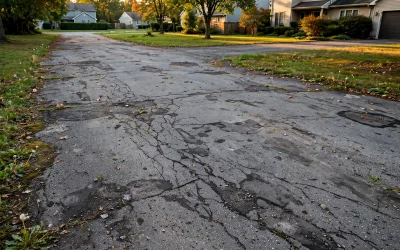
Remember when your driveway was that rich, deep black? If it’s been a few years, chances are it now looks more like weathered concrete — grey, dull, maybe a little patchy. You’re not imagining it, and it’s not (usually) a sign your driveway is ruined. It’s chemistry. Here’s what’s happening to your asphalt, and what to do about it.
Why Asphalt Turns Grey: Oxidation, Plain and Simple
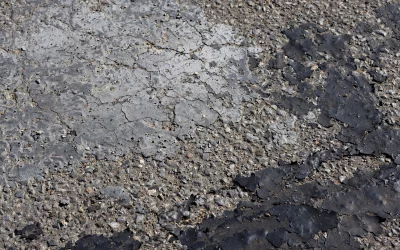
Asphalt is essentially small stones glued together with bitumen — a sticky, black petroleum binder. From the day it’s laid, two things start attacking that binder: ultraviolet light and oxygen. UV breaks down the bitumen’s chemical bonds; oxygen hardens what’s left. The industry term is oxidation, and the visible symptom is exactly what you’re seeing: the deep black fades to grey as the binder degrades and the grey stone aggregate starts showing through.
In Ontario, the process runs faster than in milder climates. Our summers deliver intense UV, and our winters add a second assault: road salt and de-icing chemicals work their way into the asphalt’s pores, and the freeze-thaw cycle — water seeping in, freezing, expanding — opens microscopic cracks that let in more water, more salt, and more oxygen. Every winter accelerates the greying.
How fast? A new driveway in the GTA typically starts visibly fading within 2–3 years without sealer. That’s not a defect — it’s just what unprotected asphalt does here.
The Hose Test: Is Your Driveway Still Protected?
Here’s a 30-second test you can do right now. Spray your garden hose on the driveway and watch what the water does:
- Water beads up and rolls off: the surface is still sealed and protected. You’re fine.
- Water soaks straight in and the asphalt darkens: the protective layer is gone. The asphalt is drinking water — which means it’s also drinking in everything winter throws at it.
If the water soaks in, your driveway is unprotected, and every rainstorm and freeze-thaw cycle is doing incremental damage. That’s the point where sealing stops being cosmetic and starts being preventive maintenance.
When Sealing Fixes the Grey — and When It Doesn’t
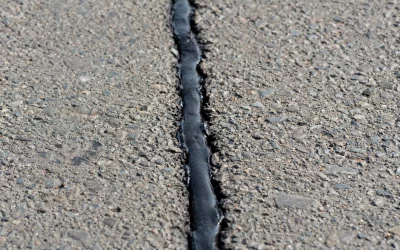
Sealing fixes it when the greyness is surface oxidation: the asphalt is faded and dull but structurally sound — no widespread cracking, no crumbling edges, no soft spots. A proper seal job (clean, crack-fill, two hand-applied coats — here’s our full process) restores that deep black finish and, more importantly, puts a waterproof, UV-blocking barrier back on the surface. The colour change is dramatic, but the protection is the point.
Sealing does not fix it when the grey comes with structural problems: alligator cracking (that interconnected web pattern), large areas where the surface is crumbling or raveling, soft spots that give underfoot, or drainage problems that leave standing water. Sealer is a surface coating — painting over a failing base just gives you a black failing base. If that’s what you’re seeing, read our guide on sealing versus resurfacing before spending a dollar, and be wary of any contractor who’ll happily seal a driveway that’s telling you it needs more.
Can You Just Live With the Grey?
Honestly? For a while, yes. A grey driveway still functions as a driveway. But oxidation isn’t just a colour change — it’s the binder breaking down, which means the surface is slowly getting more brittle and more porous. The grey you see today becomes the hairline cracks of next year and the potholes of the year after, especially with Ontario winters doing their worst. Sealing every 2–3 years doesn’t just keep the driveway black; it interrupts that degradation cycle. It’s the cheapest maintenance an asphalt driveway has — typically $250–$400 for a GTA double-car driveway, versus thousands for resurfacing or replacement.
What About Those “Colour Restorer” Products?
You’ll see spray-on asphalt “rejuvenators” and colour restorers at the hardware store. Some are legitimate light-duty products; most are thin cosmetic coatings with a fraction of the solids of a professional sealer. They’ll make the driveway black for a season — sometimes less — without providing real waterproofing. If your driveway just needs to look good for a listing photo, fine. If you want actual protection through a winter, it’s not a substitute for a proper seal.
The Bottom Line
Grey and faded means oxidized and unprotected — not ruined. Do the hose test: if water soaks in and the surface is otherwise sound, a professional seal will bring back the black and the protection. If the grey comes with structural cracking, get an honest assessment before sealing anything.
Not sure which category your driveway falls into? That’s exactly what a quote visit is for. Request a free quote — we’ll tell you straight whether sealing is the right call, and we won’t sell you one if it isn’t. Serving Markham, Richmond Hill, Vaughan, Aurora, Newmarket, Stouffville, and surrounding York Region.

0 Comments