Your driveway looks rough. The question is: does it need a $300 seal coat, or a $3,000+ resurface? Choose wrong in either direction and you waste money — sealing a driveway that’s structurally finished is throwing good money after bad, while resurfacing a driveway that just needed maintenance is massive overkill.
This guide will help you diagnose your own driveway honestly, understand what each option actually involves, and know when a contractor’s recommendation doesn’t pass the smell test.
What Each Option Actually Is
Driveway sealing (sealcoating)
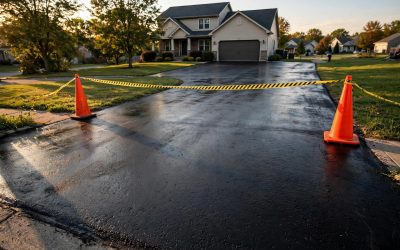
A protective maintenance coating — a thin layer (about the thickness of a credit card or two) of sealer applied over the existing asphalt. It doesn’t add structural strength. Think of it like wax on a car: it protects the surface underneath from UV, water, and chemicals, and it looks great, but it won’t fix a dented fender. Typical GTA cost: $180–$400 depending on size. Lasts 2–3 years.
Resurfacing (overlay)
A new structural layer — typically 1.5 to 2 inches of fresh hot-mix asphalt laid directly over the existing driveway after repairs and prep. This actually gives you a new driving surface. It can fix moderate surface distress, restore proper slope, and buy another 10–15 years of life — if the base underneath is still sound. Typical GTA cost: $2,500–$5,000+ for a residential driveway.
Full replacement (for completeness)
Tear out everything down to the gravel base (or deeper) and rebuild. Needed when the base itself has failed. Most expensive option — but the only real fix for base failure. We’ll touch on how to recognize it below.
Diagnose Your Driveway: The Honest Walkthrough
Grab a coffee and walk your driveway slowly. Here’s what to look for, from “just seal it” to “call a paving contractor”:
✅ Seal it: surface aging, colour fade, hairline cracks
- Asphalt has faded from black to grey but the surface is still flat and solid.
- Only hairline cracks (thinner than a coin’s edge), few in number.
- No sinking, no soft spots, no areas where water ponds that didn’t pond before.
- Edges are intact, not crumbling.
This is the textbook seal-coating candidate. The structure is fine; the surface just needs its protective layer renewed. This describes the majority of Ontario driveways that are simply due on the 2–3 year sealing cycle.
⚠️ Seal it, but fix first: wider cracks, minor edge damage
- Cracks wider than about 6mm (1/4 inch) — these need hot-rubber crack filling before sealing. Sealer alone won’t bridge them.
- Small crumbled spots at edges, minor surface raveling (loose aggregate).
- Oil stains that need priming so the sealer bonds.
Still a sealing job — just one that includes proper prep. Any honest quote should itemize the crack filling separately. If a contractor says they’ll “just seal over” wide cracks, keep looking.
🔶 Consider resurfacing: alligator cracking, widespread surface failure
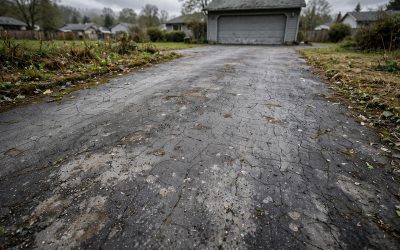
- Alligator (fatigue) cracking — interconnected cracks forming a pattern like alligator skin, covering significant areas. This means the surface layer is structurally fatigued. Sealer can’t fix it; it will crack right through the new coating within a season or two.
- Large areas of raveling where aggregate is coming loose across the driveway, not just at edges.
- Surface is uneven or wavy but not deeply sunken — a new overlay can restore a smooth plane.
- Multiple previous patch jobs that are themselves failing.
🔴 Full replacement territory: base failure
- Sinking or depressions — especially near the garage, along tire tracks, or where downspouts discharge. Press on the area: if it feels soft or spongy, the base is compromised.
- Frost heaves that return every winter in the same spots — the base is holding water and expanding.
- Large potholes that go through the full depth of asphalt.
- Water ponding in new places — the driveway’s shape is changing, which means material underneath is moving.
Here’s the hard truth many homeowners don’t hear: resurfacing over a failed base is the most expensive mistake in this decision tree. A beautiful new overlay on a bad base will reflect every underlying problem within 1–3 years — the same cracks and sinks come right back through. If the base has failed, only full-depth replacement fixes it. A contractor pushing an overlay without checking base condition (walking it, probing soft spots) is selling you a very expensive temporary cosmetic.
The Ontario Factor: Freeze-Thaw Accelerates the Decision
In milder climates, a driveway can sit in the “seal it” category for a long time. In Ontario, deferral is expensive. Here’s why the timeline compresses here:
- Every winter, water in unsealed cracks expands ~9% when it freezes, wedging cracks wider. A hairline crack ignored for two winters becomes a crack needing fill; ignored for four, it can become alligator cracking.
- Road salt accelerates surface breakdown on unprotected asphalt.
- Plow damage at edges compounds yearly — small edge crumbling becomes structural edge failure.
The practical takeaway: in the GTA, the cost of waiting isn’t just “the same job later.” It’s often a category jump — from sealing to resurfacing, or resurfacing to replacement. When in doubt, get an assessment sooner rather than later. This is also why sealing costs should be viewed as cheap insurance, not an expense.
Questions to Ask Any Contractor
Whether you’re getting sealing quotes or resurfacing quotes, these questions separate the pros from the salesmen:
- “Is my base sound?” — For resurfacing quotes, they should walk the driveway and check for soft spots. If they never mention the base, walk away.
- “What prep is included?” — For sealing: cleaning method, crack filling, oil-spot priming, edging. Vague answers = vague work.
- “What happens if you seal over my alligator cracking?” — The honest answer: “It’ll look good for a few months, then crack through. You need resurfacing or we shouldn’t take the job.” Anyone who promises sealer will fix structural cracking is lying.
- “Can I see the product you’ll use?” — Professionals name their sealer. Mystery bulk product is a red flag.
- “What does your quote assume about drainage?” — If water ponds on your driveway, neither sealing nor resurfacing fixes it without addressing grade. Good contractors mention this.
Can You Resurface Just Part of a Driveway?
Sometimes. If damage is genuinely localized — say, one section near the street took plow damage while the rest is sound — a partial overlay or patch + seal can work. But be wary: patching is a repair, not a restoration, and the seams between old and new asphalt are future weak points. For widespread issues, partial fixes tend to become a patchwork that costs more over time than doing it right once. Get an honest assessment rather than defaulting to the cheapest option.
The Bottom Line
- Seal when the structure is sound but the surface is aging — fading, hairlines, minor wear. ($180–$400, every 2–3 years.)
- Resurface when the surface layer is structurally fatigued — alligator cracking, widespread raveling — but the base is solid. ($2,500–$5,000+, lasts 10–15 years.)
- Replace when the base has failed — sinking, heaving, potholes through the full depth. (Most expensive, but the only real fix.)
- Never pay for resurfacing over a failed base, and never pay for sealing to fix structural cracking.
In Ontario’s climate, the cheapest driveway is the one you maintain on schedule. Most driveways we see in Markham, Richmond Hill, Vaughan, Aurora, Newmarket and Stouffville just need honest maintenance — and we’d rather tell you that than sell you work you don’t need.
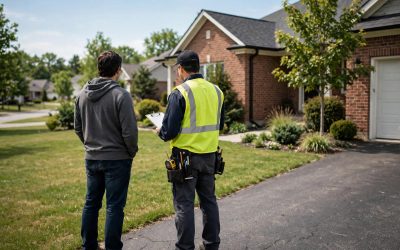
Not sure which category your driveway falls into? Get a free assessment — we’ll walk it with you and give you a straight answer, including when the answer is “just seal it.”

0 Comments